
A waft of rich, savory aroma enveloped my kitchen as I prepared to turn a simple evening into an unforgettable culinary experience. Today, I’m excited to share my recipe for Korean Beef Noodles, a comforting dish that revels in its hearty flavors and delightful textures. Slow-cooked to perfection, the beef becomes meltingly tender, infused with a flavor-packed sauce that balances sweet and spicy notes beautifully. What I love most about this dish is its effortless preparation—perfect for busy weeknights—along with the satisfaction of creating something that feels like a warm hug in a bowl. Whether you’re a seasoned home chef or a kitchen novice, these Korean Beef Noodles promise to entice your palate and make dinner something to look forward to. Curious about how to whip up this cozy delight? Let’s dive in!
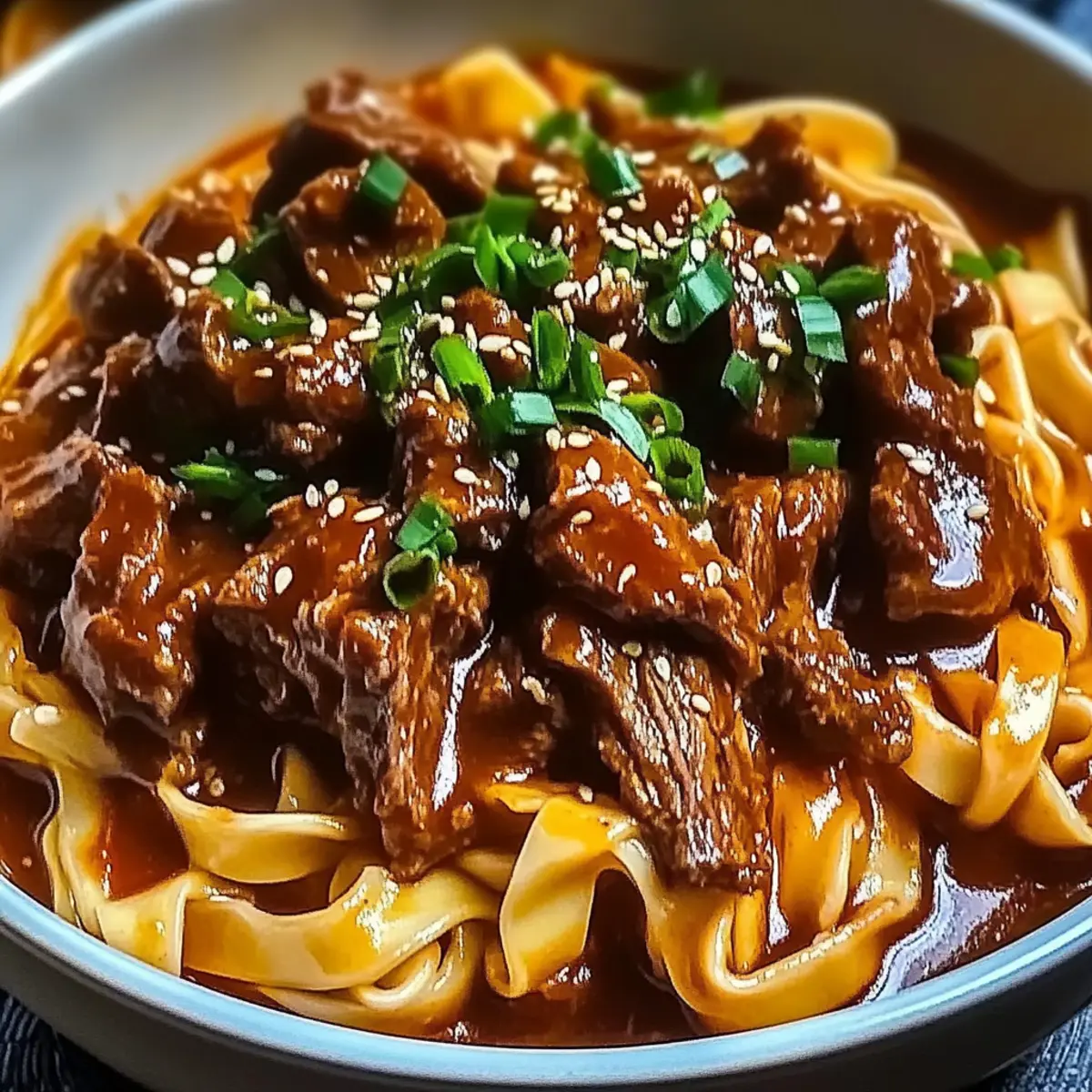
Why Are These Korean Beef Noodles Special?
Comforting warmth awaits in every bite of these Korean Beef Noodles, making them perfect for chilly nights. Effortless preparation means you can enjoy a decadent meal without spending hours in the kitchen. Delectable flavors from savory soy sauce and spicy gochujang create a delightful balance that will have everyone asking for seconds. Versatile ingredients allow you to easily swap beef for chicken or even tofu, catering to various dietary preferences. Hearty satisfaction comes from tender chunks of beef mingled with chewy noodles, rounding off a dish that truly feels like a warm hug on a plate. Make sure to pair these noodles with a side of kimchi for a traditional touch!
Korean Beef Noodles Ingredients
For the Beef
• Beef Chuck – Provides protein and a rich, hearty flavor. Substitution: Use brisket or short ribs for different texture and taste.
• Beef Broth – Adds depth and moisture to the dish. Note: Homemade broth can enhance flavor.
• Water – Dilutes the broth and regulates the dish’s saltiness. No substitutes needed.
For the Sauce
• Soy Sauce – Introduces umami and saltiness. Substitution: Tamari for a gluten-free option.
• Brown Sugar – Balances the saltiness with sweetness. Substitution: Honey or maple syrup can be used.
• Ginger (minced) – Enhances the aroma and adds a slight spice. No substitutions recommended, but can use ground ginger in a pinch.
• Garlic (minced) – Adds depth of flavor and an aromatic profile. Substitution: Garlic powder can be used as a last resort.
• Sesame Oil – Provides nuttiness and richness to the sauce. Substitution: Olive oil can be a milder alternative.
• Black Pepper – Adds a hint of heat. No substitutions necessary.
• Gochujang – Delivers spice and complexity. Substitution: Sriracha or chili paste can substitute but will alter the taste.
For the Noodles
• Noodles (udon or ramen) – The main structure of the dish, lending volume and heartiness. Note: Fresh or dried noodles can be used, according to availability.
• Green Onions (sliced, for garnish) – Provides freshness and a mild onion flavor. Substitution: Chives can be used if green onions are unavailable.
• Sesame Seeds – Optional garnish that adds a crunch. No substitutes; can omit if preferred.
• Fresh Cilantro (for garnish) – Adds brightness and a herbal note. Substitution: Parsley or no herb at all can be used, based on preference.
Step‑by‑Step Instructions for Korean Beef Noodles
Step 1: Prepare the Beef
Start by seasoning the chunked beef chuck with a hearty sprinkle of black pepper. This step enhances the natural flavors of the meat. Use a large kitchen cutting board and a sharp knife for this task. Once seasoned, set it aside while you whip up the savory sauce, ensuring the beef can absorb all those delightful flavors in the next step.
Step 2: Sauce Mix
In a mixing bowl, whisk together beef broth, soy sauce, brown sugar, minced ginger, minced garlic, sesame oil, and gochujang until the mixture is well combined. This rich sauce will provide a beautiful depth of flavor for your Korean Beef Noodles. As you mix, take a moment to admire its thick, velvety consistency. This sauce will soon drizzle over the beef, creating a mouthwatering dish.
Step 3: Slow Cook
Place the seasoned beef in a slow cooker, then pour the prepared sauce over the top, ensuring each piece is well coated. Cover the slow cooker and set it to low heat for 6-8 hours or high heat for 3-4 hours. As it cooks, you’ll know it’s ready when the beef becomes fork-tender and absorbs all those addictive flavors, creating a comforting aroma that fills your kitchen.
Step 4: Cook Noodles
With 15-20 minutes left on the beef cooking timer, prepare the noodles according to the package instructions. If you’re using udon or ramen, boil them in a large pot of water until they are al dente. Once cooked, drain the noodles and set them aside, ready to soak up the goodness from the Korean Beef mixture once it’s done in the slow cooker.
Step 5: Combine
Once the beef is fork-tender, carefully add the cooked noodles into the slow cooker with the beef and sauce. Using tongs or a large spoon, gently mix everything together, ensuring the noodles are well coated in the delicious sauce. This final step combines the best of both worlds—tender beef and chewy noodles, making your Korean Beef Noodles a hearty, satisfying meal.
Step 6: Serve
Ladle the Korean Beef Noodles into bowls, ensuring each serving has a generous portion of beef and noodles. Top with sliced green onions, a sprinkle of sesame seeds, and fresh cilantro if desired. This vibrant garnish adds a fresh burst of flavor and a pop of color, transforming your dish into a comforting bowl that’s as inviting as it is delicious.
Korean Beef Noodles Variations & Substitutions
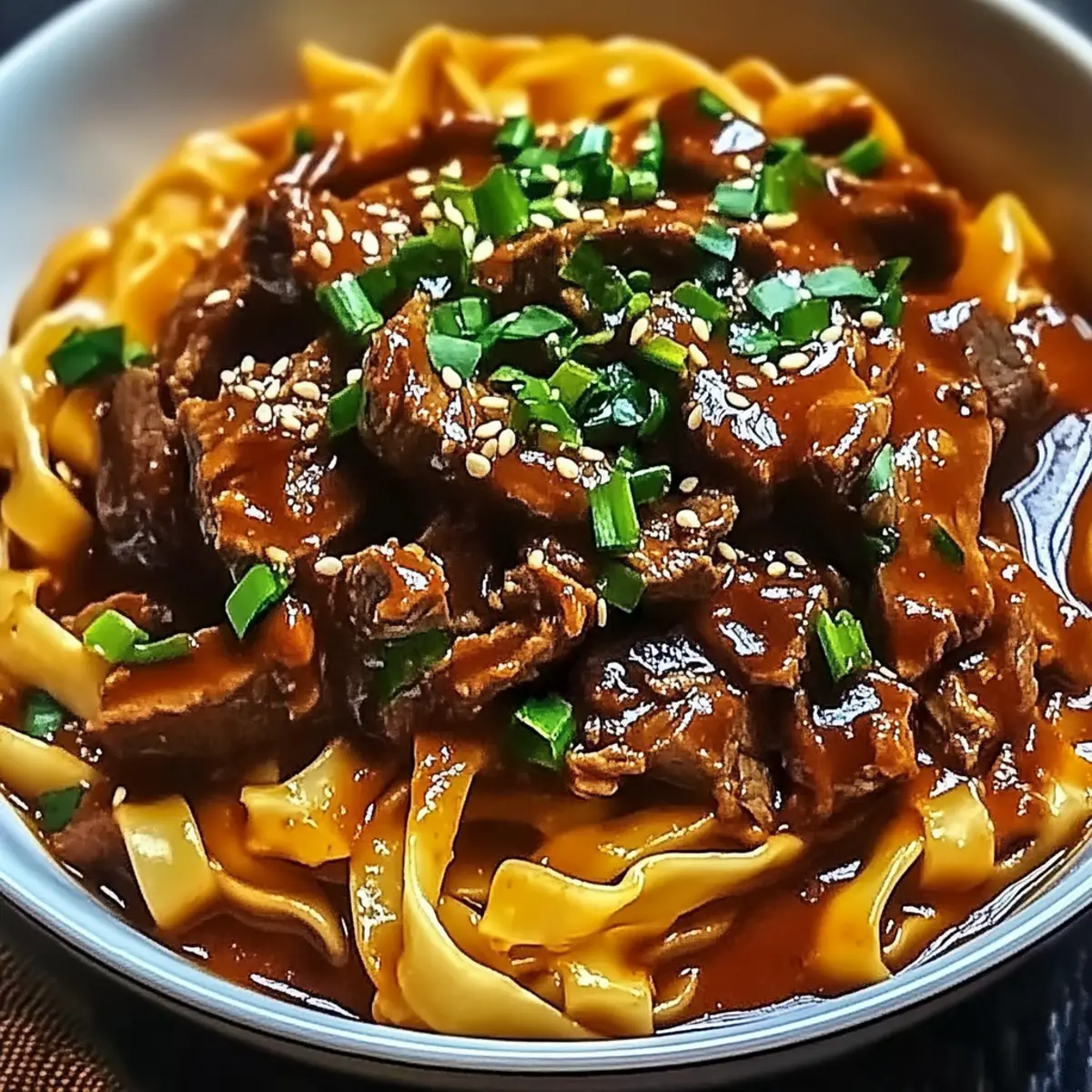
Feel free to get creative and customize these Korean Beef Noodles to suit your tastes and dietary needs.
-
Chicken or Tofu: Substitute beef with chicken breast or tofu for a lighter option that maintains delicious flavor.
-
Add Veggies: Toss in some bok choy, bell peppers, or mushrooms for an extra veggie boost that enhances nutrition and texture.
-
Heat It Up: Increase the gochujang for a spicier kick or toss in some sliced fresh chilies for that added heat.
-
Noodle Variety: Experiment with different noodle types, like glass noodles or even zucchini noodles for a low-carb alternative.
-
Teriyaki Twist: Swap out soy sauce for teriyaki sauce for a sweeter flavor profile that kids will love!
-
Vegetarian Broth: Use vegetable broth instead of beef broth for a completely plant-based experience that still feels comforting.
-
Coconut Milk: For a creamy twist, add a splash of coconut milk to the sauce for an interesting, tropical flavor.
-
Herb Swaps: If cilantro isn’t your thing, parsley or fresh basil can be beautiful substitutions for a fresh garnish.
Feel inspired to explore and make this dish your own! If you’re looking for more meat-based ideas, consider trying Garlic Butter Beef Bites or Hoisin Beef Noodles. Happy cooking!
Make Ahead Options
These Korean Beef Noodles are perfect for meal prep, making dinner on busy weeknights a breeze! You can prepare the beef and sauce mixture up to 24 hours in advance; simply combine the seasoned beef with the sauce in the slow cooker and refrigerate. If you’re short on time, the cooked noodles can be made ahead as well—just store them separately in an airtight container for up to 3 days. When you’re ready to enjoy, cook the beef in the slow cooker as directed, and add the refrigerated noodles in the last few minutes to ensure they are heated through. This way, you’ll still savor the delightful flavors of these Korean Beef Noodles without any fuss!
How to Store and Freeze Korean Beef Noodles
Fridge: Store leftover Korean Beef Noodles in an airtight container for up to 3 days. Refrigeration preserves flavors while keeping the noodles fresh.
Freezer: For longer storage, freeze in a freezer-safe container for up to 3 months. Separate the noodles and beef with sauce to avoid mushiness upon thawing.
Reheating: When ready to enjoy, thaw overnight in the fridge, then reheat gently on the stove with a splash of water or broth to prevent dryness.
Airtight Guidance: Always ensure your containers are airtight to maintain the delicious flavors of this comforting dish.
What to Serve with Korean Beef Noodles?
Transform your dining experience into something unforgettable with these delightful pairings that elevate your Korean Beef Noodles.
- Kimchi: The tangy, spicy notes of kimchi brighten the dish, adding a crunchy texture that balances the rich flavors beautifully.
- Steamed Broccoli: Crisp-tender broccoli not only adds vibrant color but also provides a healthy crunch, harmonizing the hearty noodles and beef.
Pair your meal with something light.
- Cucumber Salad: A refreshing mix of sliced cucumbers, vinegar, and sesame oil provides a cooling contrast to the warm, savory noodles.
Inject a little touch of sweetness.
- Mango Sticky Rice: Sweet, sticky rice topped with fresh mango offers a delightful dessert experience, wrapping up your meal on a perfectly sweet note.
Enhance the warmth of the meal.
-
Hot Green Tea: The soothing warmth of green tea complements the complexity of flavors without overpowering the palate, perfect for cozy evenings.
-
Sesame Garlic Bread: Crunchy garlic bread with a hint of sesame is an unexpected but delicious side that adds texture and flavor to your meal.
Expert Tips for Korean Beef Noodles
-
Choose Quality Beef: Opt for well-marbled chuck for tender meat. Lean cuts may result in dryness after slow cooking, impacting the dish’s comfort factor.
-
Customize Your Spice: Adjust the amount of gochujang based on your heat preference. Starting with a smaller amount allows a better control over the spice level.
-
Maximize Flavor: Don’t skip the marinating time for the beef. Letting it sit in the sauce for at least 30 minutes before cooking enhances the overall flavor profile of the Korean Beef Noodles.
-
Check Noodle Texture: If using dried noodles, follow the package cooking time closely to prevent them from becoming mushy in the final mix with the beef.
-
Leftover Love: Store any leftovers in airtight containers for up to 3 days. Reheat gently to maintain the texture of the noodles and savor the delightful flavors again!
Korean Beef Noodles Recipe FAQs
How do I choose the right beef for my Korean Beef Noodles?
Absolutely! For the best results, select beef chuck, as it offers a great balance of tenderness and flavor due to its marbling. If you’re looking for alternatives, both brisket and short ribs are wonderful options! They provide different textures and will infuse the dish with unique tastes.
What’s the best way to store leftovers?
Very straightforward! Leftover Korean Beef Noodles can be stored in an airtight container in the refrigerator for up to 3 days. To warm them up, just reheat gently on the stovetop with a splash of broth or water, which helps maintain the noodles’ texture without drying them out.
Can I freeze Korean Beef Noodles?
You can indeed! For freezing, store your Korean Beef Noodles in a freezer-safe container. I suggest separating the noodles from the beef and sauce to avoid mushiness upon thawing. They’ll keep well for up to 3 months. When ready to enjoy, thaw them overnight in the fridge and reheat on low heat in a pot with a bit of liquid.
What if my noodles become mushy during cooking?
Very common, don’t worry! If you find your noodles turning mushy, try a couple of tips: First, ensure you’re cooking them to just al dente, as they’ll continue to cook slightly when combined with the beef. Additionally, if using dried noodles, closely follow the package’s cooking times — it can make all the difference. If they still become too soft, don’t be discouraged; they’ll still be delicious!
Are there any dietary considerations for this recipe?
Indeed! If you or your loved ones have dietary restrictions, feel free to substitute soy sauce with tamari for a gluten-free version, or swap the beef for chicken or tofu for a lighter variation. Always remember to check for any allergies related to ingredients like sesame oil or gochujang as these can vary from person to person.
Can I make this dish ahead of time?
Absolutely! One of my favorite tricks is to prepare your Korean Beef Noodles a day in advance. Store them in an airtight container and let the flavors meld beautifully overnight. Just reheat them gently when you’re ready to serve—your future self will thank you for this cozy shortcut!
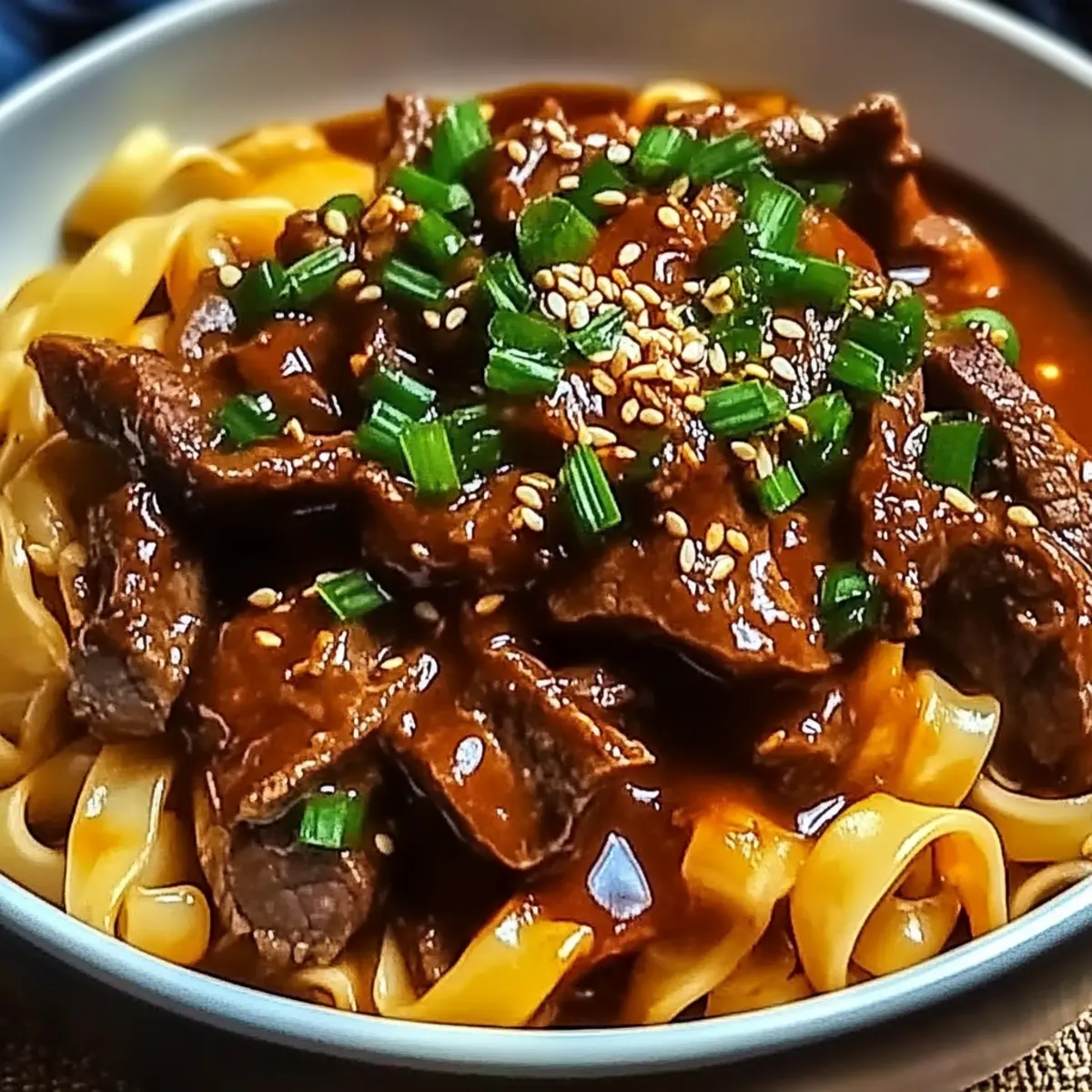
Heavenly Korean Beef Noodles Perfect for Cozy Nights
Ingredients
Equipment
Method
- Start by seasoning the chunked beef chuck with a hearty sprinkle of black pepper. This step enhances the natural flavors of the meat.
- In a mixing bowl, whisk together beef broth, soy sauce, brown sugar, minced ginger, minced garlic, sesame oil, and gochujang until the mixture is well combined.
- Place the seasoned beef in a slow cooker, then pour the prepared sauce over the top, ensuring each piece is well coated. Cover the slow cooker and set it to low heat for 6-8 hours or high heat for 3-4 hours.
- With 15-20 minutes left on the beef cooking timer, prepare the noodles according to the package instructions. If using udon or ramen, boil them in a large pot of water until al dente.
- Once the beef is fork-tender, carefully add the cooked noodles into the slow cooker with the beef and sauce. Using tongs or a large spoon, gently mix everything together.
- Ladle the Korean Beef Noodles into bowls, ensuring each serving has a generous portion of beef and noodles. Top with sliced green onions, a sprinkle of sesame seeds, and fresh cilantro if desired.
Leave a Reply