
As I stood in my kitchen, the aroma of roasted vegetables wafted through the air, instantly transporting me to sun-kissed Mediterranean coasts. The recipe for this Layered Mediterranean Vegetable Lasagna with Creamy Ricotta has become a beloved staple in my home, as it combines the hearty goodness of eggplant, zucchini, and bell peppers with a rich ricotta layer, bringing comfort and nourishment to every bite. Not only is this vegetarian delight a feast for the eyes, but it also offers the perfect balance of creamy texture and wholesome flavors, making it ideal for meal prep or a family gathering. In just a little over an hour, you can create a dish that’s not only healthy but also a delightful alternative to takeout. Curious how to build this vibrant layered masterpiece? Let’s dive into the details together!
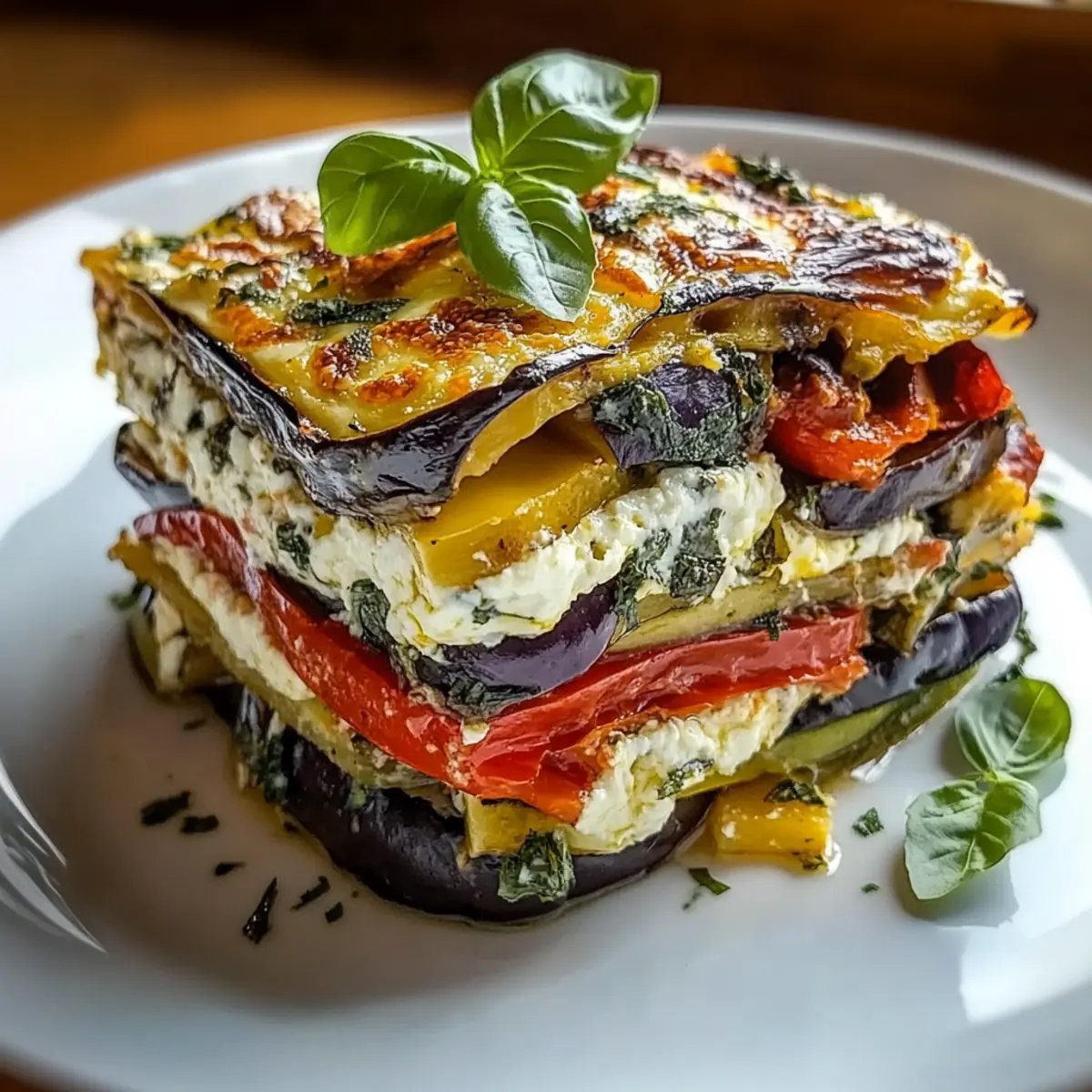
Why is this lasagna a must-try?
Comforting and Nutritious: Each layer of roasted vegetables and creamy ricotta creates a satisfying meal that feels indulgent yet healthy.
Easily Customizable: Use your favorite seasonal veggies, like mushrooms or spinach, to cater this dish to your tastes.
Make-Ahead Friendly: Prepping this lasagna up to two days in advance means you can enjoy effortless weeknight dinners.
Perfect for Gatherings: Its vibrant colors and hearty flavors will impress family and friends, proving that vegetarian dishes can be crowd-pleasers.
Wholesome Ingredients: Packed with nutritious veggies, this Mediterranean Vegetable Lasagna is a wholesome alternative to fast food. Whether you’re looking to fuel up or enjoy a comforting meal, this recipe has got you covered!
Mediterranean Vegetable Lasagna Ingredients
For the Roasted Vegetables
• Eggplant – Adds substance and absorbs flavors; substitute with zucchini or mushrooms.
• Zucchini – Mildly sweet and tender when roasted; can be substituted with yellow squash.
• Red Bell Pepper – Adds sweetness and crunch; substitute with green bell pepper for less sweetness.
• Yellow Bell Pepper – Lightens the flavor profile; can be substituted with more green or red bell peppers.
• Olive Oil – Enhances flavor and aids in roasting; use any neutral oil if needed.
• Salt and Pepper – Essential for seasoning; adjust to taste.
For the Lasagna Layers
• Lasagna Noodles – Creates the structure of the dish; gluten-free noodles can be used for a gluten-free variation.
• Ricotta Cheese – Provides creaminess and lightness; can substitute with cottage cheese.
• Mozzarella Cheese – Adds gooeyness; substitute with fontina for a different flavor.
• Parmesan Cheese – Contributes nuttiness and depth; Roman or Pecorino can substitute.
For the Seasoning and Sauce
• Garlic (minced) – Introduces aromatic warmth; adjust quantity based on preference.
• Dried Oregano – Imparts classic Mediterranean flavor; use fresh oregano for more intensity (3x the amount).
• Dried Basil – Complements the ricotta; fresh basil can also be used (3x the amount).
• Marinara Sauce – Ties layers together with acidity and richness; store-bought or homemade can be used.
For the Garnish
• Fresh Basil Leaves (for garnish) – Adds a pop of color and freshness; optional but enhances presentation.
Step‑by‑Step Instructions for Mediterranean Vegetable Lasagna
Step 1: Preheat the Oven
Begin by preheating your oven to 400°F (200°C). While it warms up, grab a large baking sheet and line it with parchment paper. This simple step ensures the Mediterranean Vegetable Lasagna bakes evenly, creating a beautifully golden crust on top.
Step 2: Prepare the Vegetables
Slice the eggplant, zucchini, and bell peppers into even pieces for consistent cooking. Arrange them on the prepared baking sheet, drizzling with olive oil, and season generously with salt and pepper. This step helps enhance the flavors and promotes even roasting, which will take about 20 minutes.
Step 3: Roast the Vegetables
Place the baking sheet in your preheated oven, roasting the vegetables for 20 minutes. Be sure to flip them halfway through cooking to achieve that perfect tender yet slightly charred texture. Once they’re ready, set them aside to cool slightly while the lasagna layers come together.
Step 4: Cook the Lasagna Noodles
While the veggies are roasting, bring a large pot of salted water to a boil. Cook the lasagna noodles according to package instructions until they are al dente, usually around 8-10 minutes. Drain and set aside, ensuring they don’t stick together for the assembly of your Mediterranean Vegetable Lasagna.
Step 5: Mix the Ricotta Filling
In a medium bowl, combine the ricotta cheese, minced garlic, dried oregano, dried basil, salt, and pepper. Stir until the mixture is smooth and well-blended. This creamy filling will add a luscious layer to your lasagna, balancing the roasted vegetables beautifully.
Step 6: Assemble the Base
Spread a generous ½ cup of marinara sauce across the bottom of a 9×13 inch baking dish. This initial layer prevents sticking and adds flavor. It will also create a nice sauce base for your Mediterranean Vegetable Lasagna.
Step 7: Layer the Ingredients
Start building layers by placing three lasagna noodles over the sauce. Follow with half of the roasted vegetables, half of the ricotta mixture, and a third of both the mozzarella and Parmesan cheese. This pattern ensures a delightful mix of textures in every bite.
Step 8: Continue Layering
Repeat the layering process with another layer of marinara sauce, noodles, the remaining roasted veggies, the remaining ricotta, and another third of the mozzarella and Parmesan. This repetition builds up the richness of flavors essential to the Mediterranean Vegetable Lasagna.
Step 9: Finish with Final Layers
Lay down the last three noodles, topping them with the remaining marinara sauce. Sprinkle the last of the mozzarella and Parmesan cheese over the top. This final layer will create a golden, cheesy crust when baked.
Step 10: Bake the Lasagna
Cover the baking dish with foil and place it in your preheated oven. Bake for 25 minutes, then uncover it to allow the cheese to brown. Continue baking for an additional 15 minutes, watching for that alluring golden hue that signals readiness.
Step 11: Let it Rest
Once baked, remove the Mediterranean Vegetable Lasagna from the oven and let it rest for about 10 minutes. This step is crucial for allowing the layers to set, making it easier to cut neat portions when serving.
Step 12: Garnish and Serve
Before serving, garnish the top with fresh basil leaves for a pop of color and aroma. This final touch elevates your culinary creation, enhancing the vibrant Mediterranean flavors that await in each slice of lasagna.
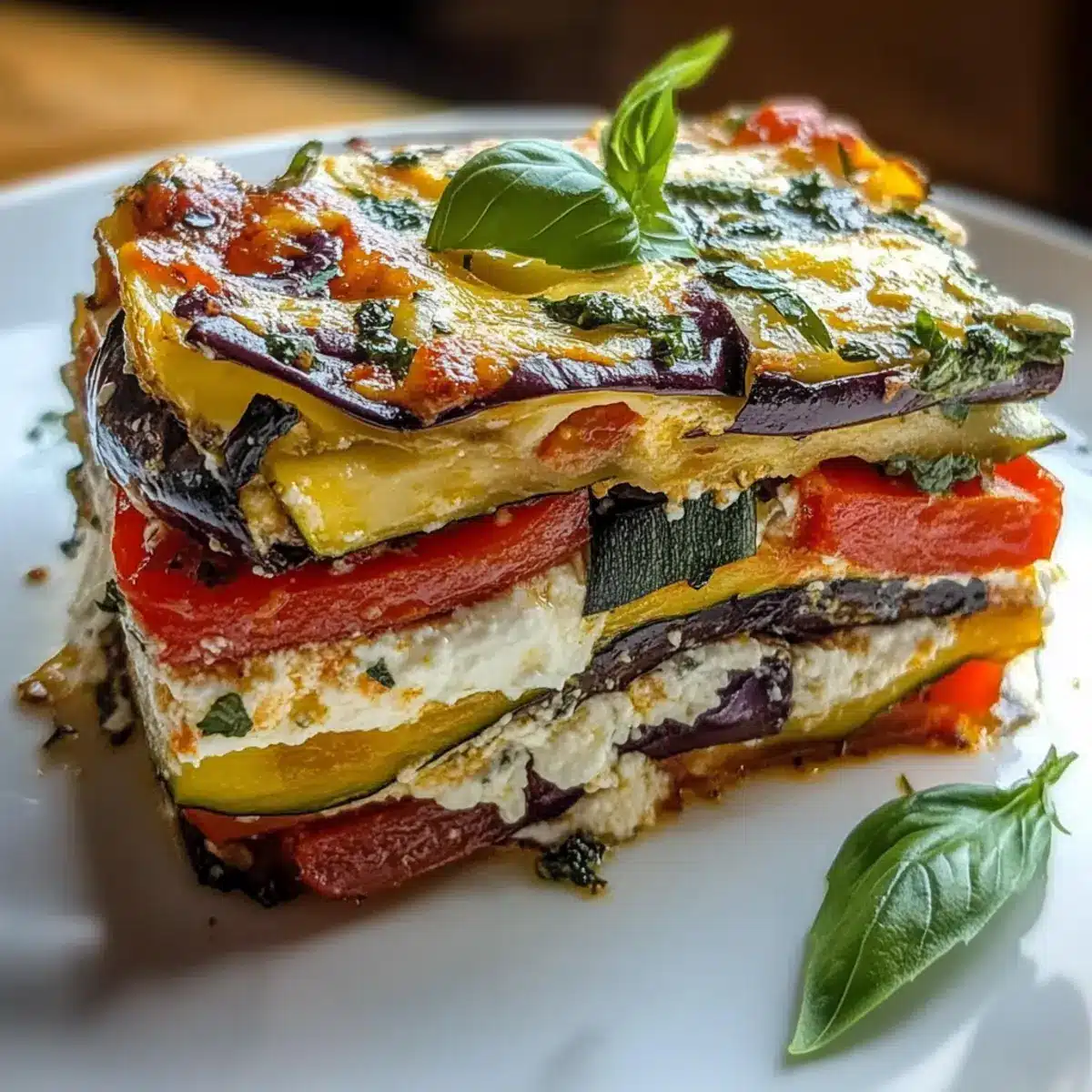
Expert Tips for Mediterranean Vegetable Lasagna
Cook Noodles Al Dente: Avoid a mushy lasagna by cooking the noodles just until they’re firm to the bite; they’ll continue cooking in the oven.
Layer Evenly: Keep your vegetable layers even to ensure stability and balance throughout the dish. This prevents one side from collapsing when sliced.
Rest Before Serving: Allow your lasagna to sit for 10 minutes post-baking to set properly, which makes slicing cleaner and easier.
Mix Up Veggies: Feel free to use seasonal vegetables like spinach or mushrooms to customize your Mediterranean Vegetable Lasagna to your taste!
Check Cheese Melting: Keep an eye on the cheese while it bakes; you want a golden top but not too brown. If it browns too quickly, cover it with foil.
How to Store and Freeze Mediterranean Vegetable Lasagna
Fridge: Cool leftover Mediterranean Vegetable Lasagna completely before covering with foil or plastic wrap. Store it in the fridge for up to 4-5 days.
Freezer: For longer storage, wrap the assembled, unbaked lasagna tightly in plastic wrap, then foil. It can be frozen for up to 3 months.
Reheating: To reheat, thaw in the fridge overnight, then bake covered at 375°F (190°C) for about 25-30 minutes or until heated through. Enjoy the delicious layers of flavors!
Make-Ahead: You can prepare the lasagna 1-2 days in advance and keep it in the refrigerator before baking for a hassle-free meal.
What to Serve with Layered Mediterranean Vegetable Lasagna?
Treat your family to a delightful meal that complements the satisfying layers of this lasagna, creating a joyful dining experience.
- Garlic Bread: Warm, buttery slices add a delightful crunch, perfect for scooping up extra marinara sauce.
- Mixed Green Salad: A refreshing salad with a zesty dressing balances the richness of the lasagna, making it a wholesome meal.
- Roasted Asparagus: Tender, charred asparagus adds an earthy touch that harmonizes beautifully with the Mediterranean flavors.
- Caprese Salad: Juicy tomatoes, fresh mozzarella, and basil create a light side dish that echoes the bright notes found in the lasagna.
- Grilled Vegetables: A medley of seasonal grilled vegetables enhances the vegetarian theme while adding a smoky depth of flavor.
- Chilled White Wine: A crisp Sauvignon Blanc or a light Pinot Grigio elevates the meal, pairing exquisitely with the savory layers.
- Tiramisu: To finish off the meal, this classic Italian dessert provides a sweet and creamy conclusion that will leave everyone smiling.
- Lemon Sorbet: A refreshing sorbet serves as a light palate cleanser, making it a delightful contrast to the hearty lasagna.
Mediterranean Vegetable Lasagna: Exciting Variations
Feel free to unleash your culinary creativity by customizing this layered delight to suit your taste preferences!
-
Dairy-Free: Swap out the ricotta and mozzarella for coconut yogurt or cashew cheese for a plant-based version.
Your lasagna will still be creamy and satisfying, making it a great choice for dairy-sensitive friends. -
Gluten-Free: Use gluten-free lasagna noodles or stacks of sliced zucchini to craft a gluten-free masterpiece.
This alteration maintains the structure while catering to dietary needs, ensuring everyone can enjoy! -
Spicy Kick: Add red pepper flakes to the marinara sauce for a delightful heat that contrasts the creamy ricotta.
Each bite becomes an adventure, warming you inside and out as you savor the layers. -
Herb Boost: Experiment with fresh herbs like thyme or rosemary mixed into the ricotta for an aromatic twist.
A herb infusion brings a garden-fresh taste, elevating the overall flavor profile of your lasagna. -
Cheese Blend: Try adding crumbled feta or goat cheese along with the ricotta for an extra flavor dimension.
This added layer of tanginess creates a delightful contrast with the roasted veggies. -
Veggie Power: Incorporate seasonal vegetables such as spinach or kale for added nutrition and vibrant color.
Every layer becomes a seasonal celebration, making your lasagna both nutritious and visually stunning! -
Noodle Alternatives: Swap traditional noodles with polenta slices or sweet potato sheets for a unique twist.
This not only enhances flavor, but creates a fun texture contrast that redefines lasagna! -
Balsamic Drizzle: Drizzle balsamic reduction on top before serving to add a sweet and tangy finish.
This elevates your lasagna presentation, turning it into a bistro-worthy dish fit for any gathering!
These variations not only make the Mediterranean Vegetable Lasagna a personalized dish but also allow it to shine in countless delicious ways. Enjoy your culinary adventure!
Make Ahead Options
These Mediterranean Vegetable Lasagna layers can be prepped in advance, saving you precious time during busy weeknights. You can assemble the entire lasagna up to 2 days ahead and store it covered in the refrigerator, ensuring all flavors meld beautifully. Additionally, if you prefer, the roasted vegetables can be prepared up to 3 days in advance, keeping them in an airtight container to maintain freshness. When ready to bake, simply add the remaining marinara and cheese on top, cover, and follow the baking instructions. This way, you can enjoy a delicious homemade lasagna with minimal effort and maximum flavor, proving that your busy schedule doesn’t have to compromise quality!
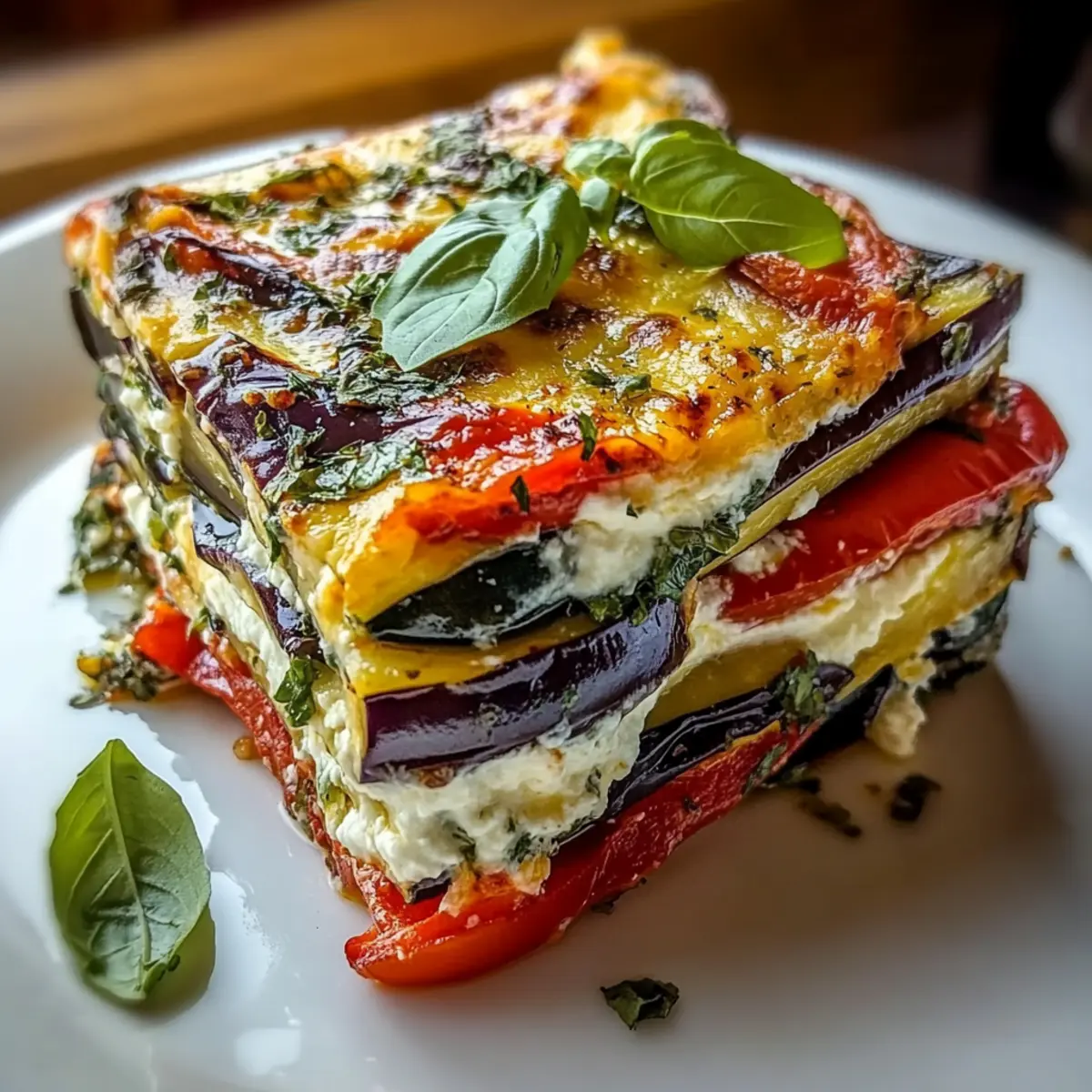
Mediterranean Vegetable Lasagna Recipe FAQs
How do I choose the right vegetables for the lasagna?
Absolutely! For this Mediterranean Vegetable Lasagna, I recommend choosing fresh, firm vegetables. Look for eggplants that are shiny and smooth, zucchini that is medium-sized, and bell peppers that are vibrant in color without any dark spots. If any produce seems overly ripe or mushy, it’s best to skip it for optimal flavor and texture.
How should I store leftover lasagna?
Very! To store your Mediterranean Vegetable Lasagna, let it cool completely, then cover it tightly with foil or plastic wrap. It can stay fresh in the fridge for up to 4-5 days. Just remember to reheat it thoroughly before serving to enjoy the delicious layers again!
Can I freeze the lasagna, and if so, how?
Absolutely! You can freeze the unbaked Mediterranean Vegetable Lasagna for up to 3 months. Just wrap it tightly in plastic wrap and then in foil to prevent freezer burn. When you’re ready to cook it, take it out to thaw in the fridge overnight, then bake covered at 375°F (190°C) for about 25-30 minutes or until heated through. This allows you to have a homemade meal ready on those busy days!
What if my lasagna noodles stick together?
Oh no! If your lasagna noodles are sticking, it often helps to make sure you stir them in the boiling water frequently while cooking. If you’ve drained them and they’re still sticking, use a bit of olive oil to coat them lightly. This will prevent them from clumping. Remember that cooking them al dente will also aid in keeping them from sticking as they continue cooking during baking.
Is this lasagna suitable for people with gluten allergies?
Very! To make this Mediterranean Vegetable Lasagna gluten-free, simply substitute the regular lasagna noodles for gluten-free ones. Many brands are available now that hold up well in baking. Just follow the cooking instructions on the gluten-free noodles packaging to ensure the right texture.
Can I prepare the lasagna the day before?
Absolutely! You can assemble the Mediterranean Vegetable Lasagna 1-2 days in advance. Once assembled, cover it tightly and store it in the refrigerator. When you’re ready to bake, it may require a few extra minutes in the oven since it will be starting from a chill. This makes for a fantastic make-ahead meal!
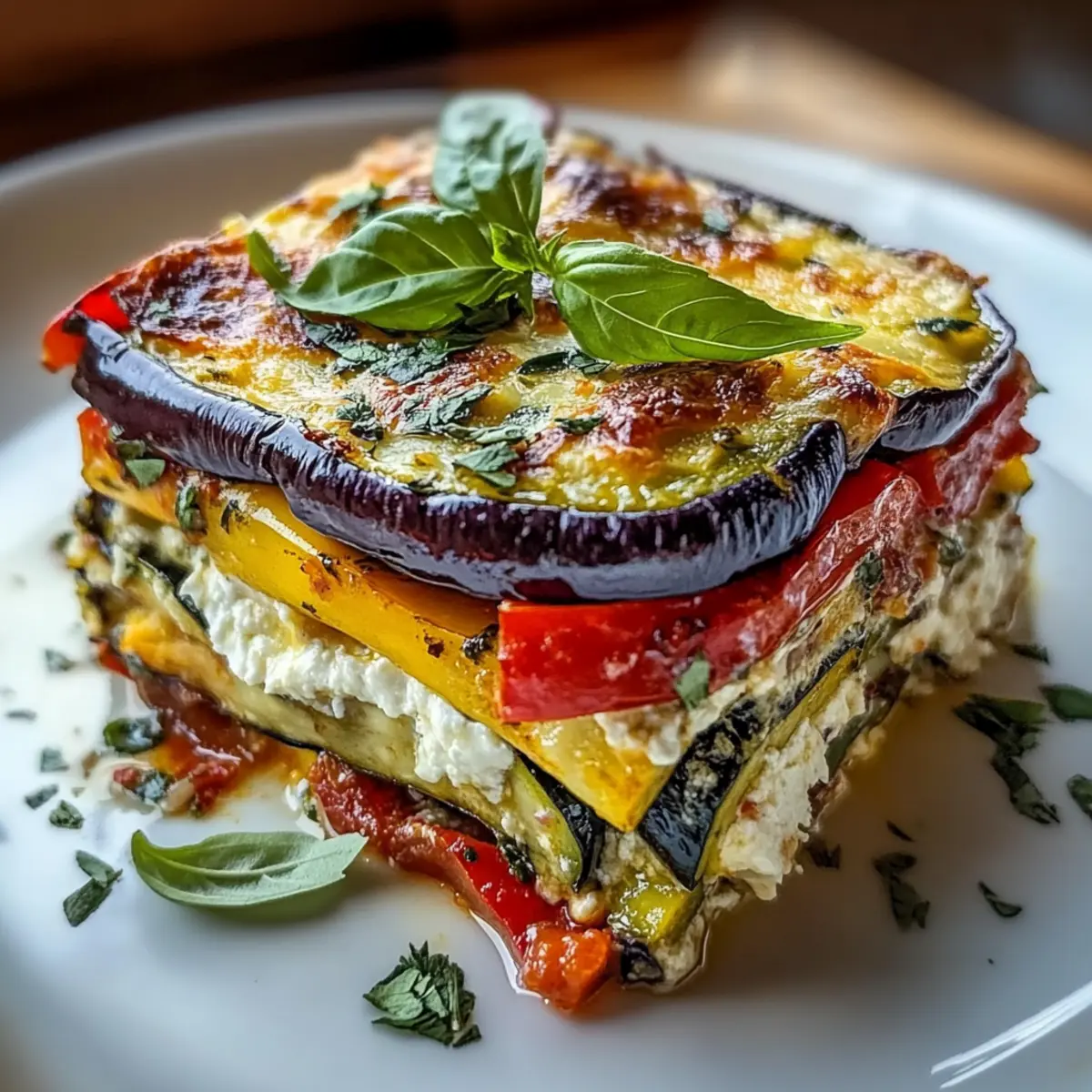
Mediterranean Vegetable Lasagna: A Wholesome Flavor Adventure
Ingredients
Equipment
Method
- Preheat your oven to 400°F (200°C) and line a large baking sheet with parchment paper.
- Slice the eggplant, zucchini, and bell peppers into even pieces. Arrange them on the baking sheet, drizzle with olive oil, and season with salt and pepper.
- Roast the vegetables for 20 minutes, flipping halfway through for even cooking.
- Cook the lasagna noodles according to package instructions until al dente, usually around 8-10 minutes. Drain and set aside.
- In a medium bowl, combine ricotta cheese, minced garlic, oregano, basil, salt, and pepper. Stir until smooth.
- Spread ½ cup of marinara sauce across the bottom of a 9x13 inch baking dish.
- Layer three lasagna noodles over the sauce, then half of the roasted vegetables, half of the ricotta mixture, and a third of the mozzarella and parmesan cheese.
- Repeat with another layer of marinara sauce, noodles, remaining roasted veggies, remaining ricotta, and another third of mozzarella and parmesan.
- Finish with the last three noodles, topping them with the remaining marinara sauce and lastly with the remaining mozzarella and parmesan cheese.
- Cover the dish with foil and bake for 25 minutes, then uncover and bake for an additional 15 minutes until golden.
- Let the lasagna rest for about 10 minutes before serving to set the layers.
- Garnish with fresh basil leaves before serving.
Leave a Reply