
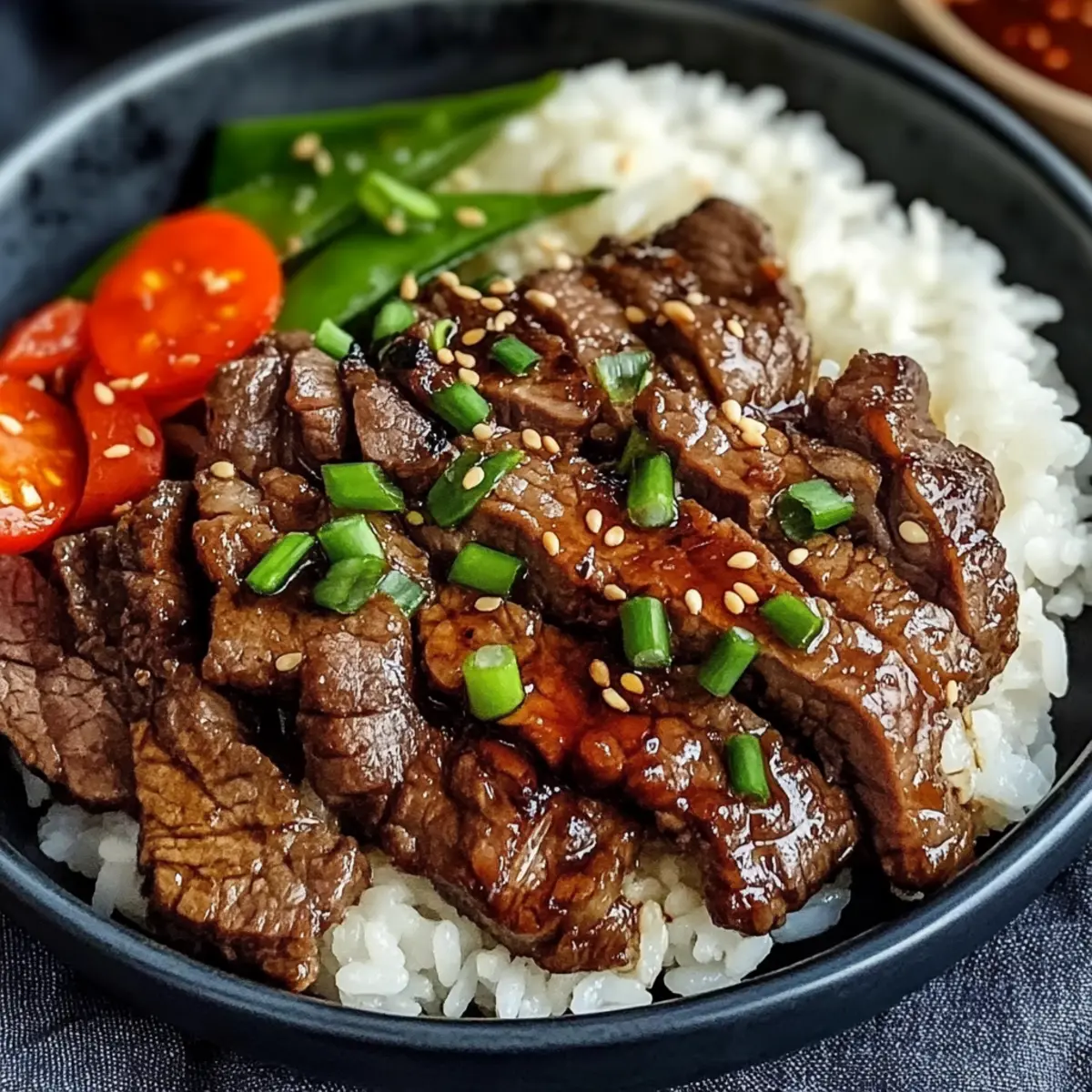
As I stood in my kitchen, the enticing aroma of marinated beef enveloped me, transporting me to bustling streets in Japan where Yakiniku grills sizzle with life. Beef Yakiniku is not just a dish; it’s a culinary experience that unites friends and family over a sweet and savory feast. With its tender, thinly sliced steak kissed by a rich soy-based marinade, this quick dinner idea is perfect for busy evenings when you crave something special without sacrificing time. Packed with protein and flavor, it’s a delightful way to elevate your weeknight meals without resorting to fast food. Have you ever thought about transforming your kitchen into a Japanese grill? Let’s get cooking!
Why Try This Beef Yakiniku Recipe?
Quick and Easy: Preparing Beef Yakiniku is a breeze, making it a go-to for busy weeknights when time is of the essence.
Savory Depth: The rich soy-based marinade with gochujang provides a perfect blend of sweet, savory, and spicy notes that your taste buds will adore.
Protein-Packed Meal: A fantastic source of protein, this dish pairs beautifully with veggies, keeping your dinner nutritious and satisfying.
Crowd-Pleasing Delight: This dish is sure to impress friends and family alike; serve it alongside rice for a delightful meal that feels gourmet.
Versatile Options: Customize your Beef Yakiniku by trying different protein cuts or adding your favorite vegetables for a personal twist. If you’re in the mood for even more beef inspiration, check out this Ground Beef Philly recipe for another savory adventure!
Beef Yakiniku Ingredients
• Dive into the fantastic world of flavors with these essential ingredients for a perfect Beef Yakiniku!
For the Marinade
- Flank or Skirt Steak – A tender cut that cooks quickly; slice it thinly against the grain for ultimate tenderness.
- Soy Sauce (Low-Sodium) – Adds depth and umami to the marinade; tamari works wonderfully for a gluten-free option.
- Gochujang (Korean Red Chili Paste) – Brings a delicious heat; sriracha can be used as a substitute if needed.
- Mirin – Infuses the marinade with sweetness and acidity; honey is a decent alternative in a pinch.
- Minced Ginger – Enhances the flavor profile; use ginger powder if fresh isn’t available (substitute 1:1).
- Garlic Powder or Garlic Paste – Provides aromatic depth; garlic powder is easier, but fresh garlic can also shine here (1 tsp fresh = ½ tsp powder).
- Sesame Oil – Imparts a unique, nutty aroma; no substitutes recommended as it contributes to the signature taste.
- Neutral Oil (e.g., Avocado or Rapeseed) – Ideal for cooking, preventing burning; almost any neutral oil will work well.
- Light Brown Sugar – Balances the flavors with a hint of sweetness; honey or maple syrup can serve as substitutions.
For Cooking
- Sesame Seeds – A delightful garnish that adds crunch and flavor; they are perfect for topping off your dish before serving.
With these carefully chosen ingredients, you’re on your way to whipping up a fantastic Beef Yakiniku that’s not just quick but also filled with savory goodness!
Step‑by‑Step Instructions for Beef Yakiniku
Step 1: Prepare the Marinade
In a medium bowl, whisk together 1/4 cup soy sauce, 2 tablespoons gochujang, 2 tablespoons mirin, 1 tablespoon minced ginger, 1 teaspoon garlic powder, 1 tablespoon sesame oil, 1 tablespoon neutral oil, and 1 tablespoon light brown sugar. Ensure all ingredients are well-combined and the sugar is dissolved. This savory marinade will create a beautifully rich flavor for your Beef Yakiniku.
Step 2: Marinate the Steak
Thinly slice 1 pound of flank or skirt steak against the grain to ensure tenderness. Add the sliced beef to the marinade, making sure every piece is well-coated. Cover the bowl with plastic wrap and refrigerate for at least 2 hours, or up to 24 hours for extra flavor. This step is crucial for infusing the meat with savory goodness.
Step 3: Preheat the Pan
While the beef is marinating, preheat your wok or large skillet over high heat until it’s smoking hot. Meanwhile, warm a serving bowl in the oven to keep your Beef Yakiniku hot after cooking. This preparation ensures that when you add the steak to the pan, it sears properly, locking in the flavors and juices.
Step 4: Cook the Steak
Working in batches, add half of the marinated beef to the hot wok, spreading it out evenly. Sear undisturbed for about 3 minutes until browned. Then, stir and continue to cook for an additional 2-3 minutes until fully cooked. Transfer the cooked beef to the warm bowl and repeat with the remaining steak, ensuring you don’t overcrowd the pan for optimal browning.
Step 5: Garnish and Serve
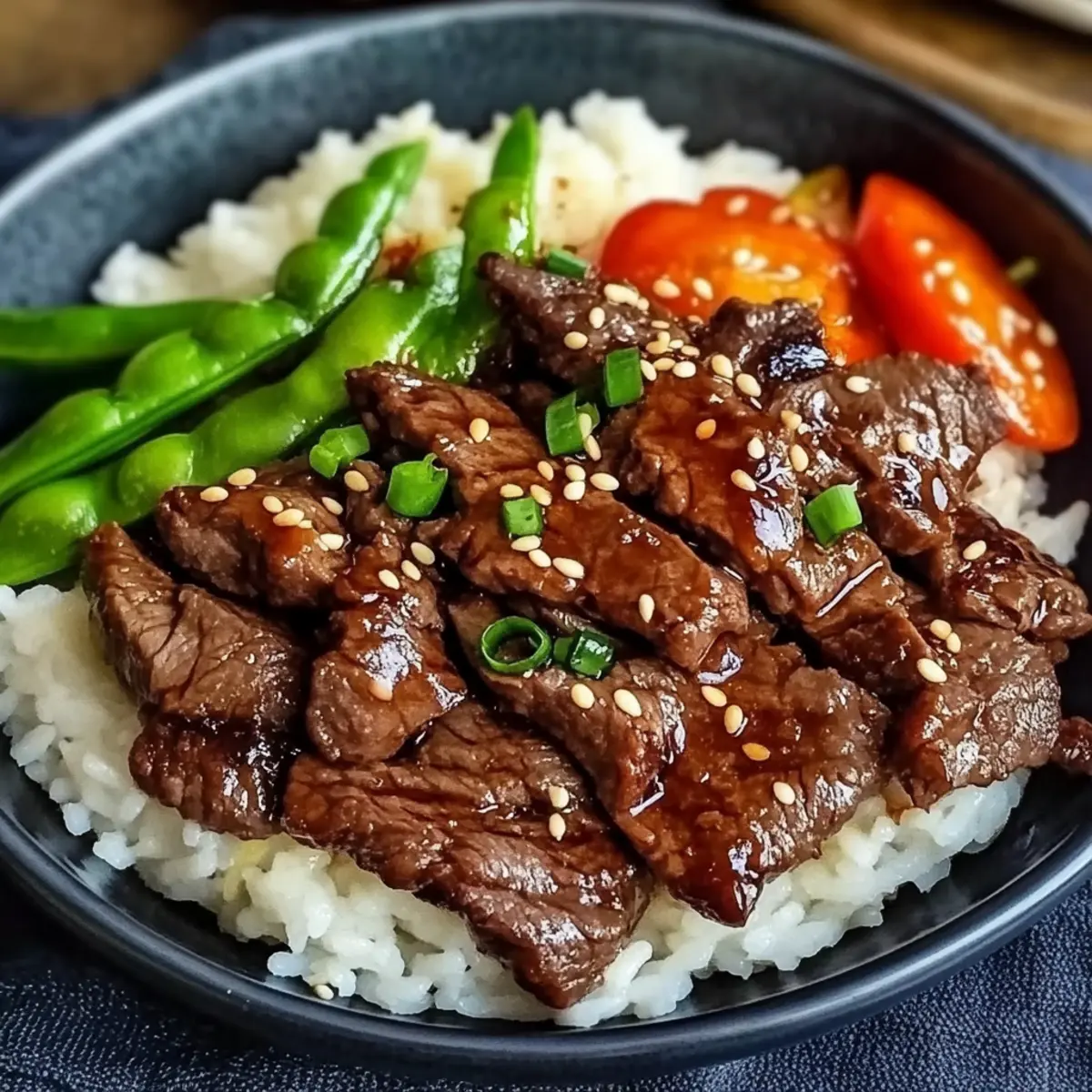
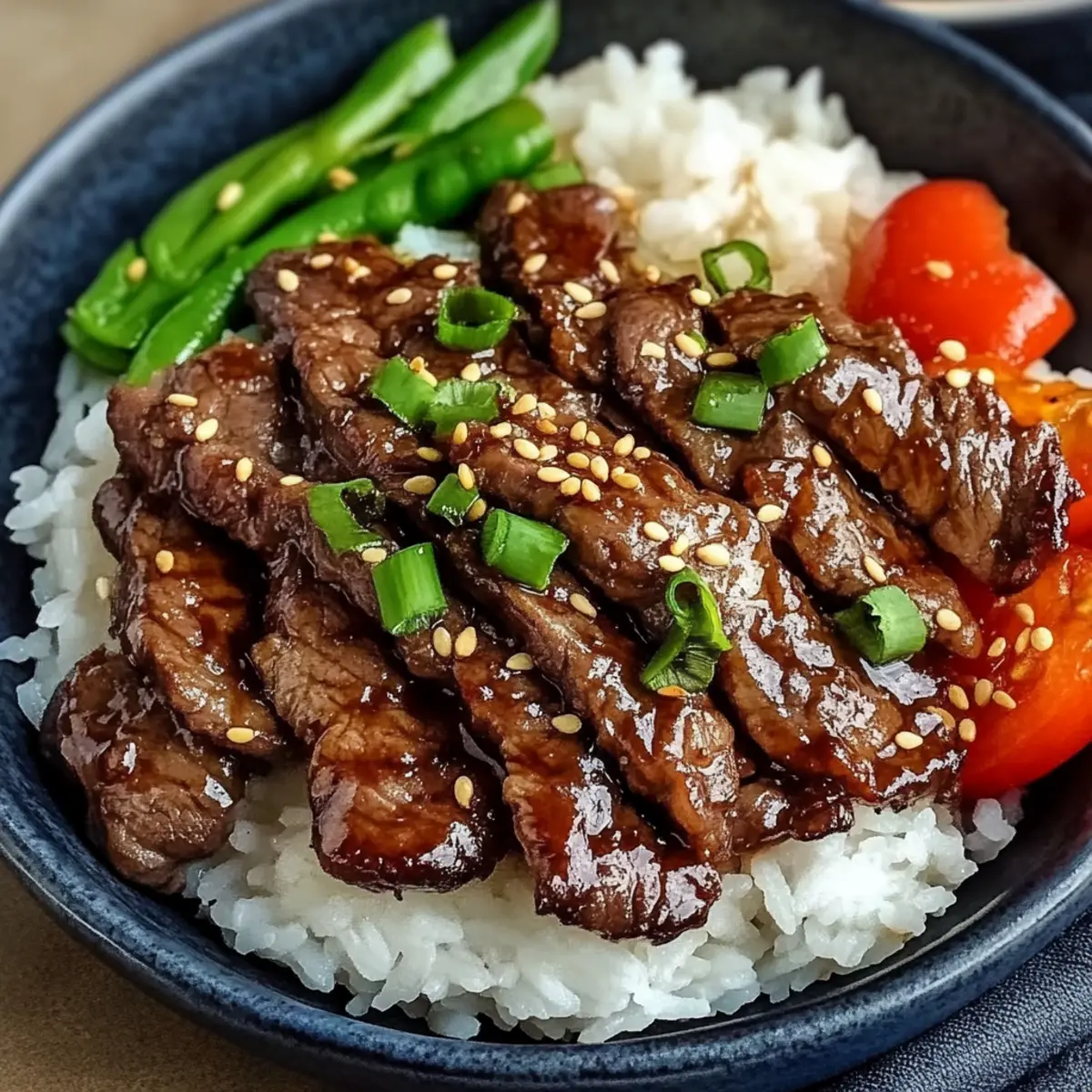
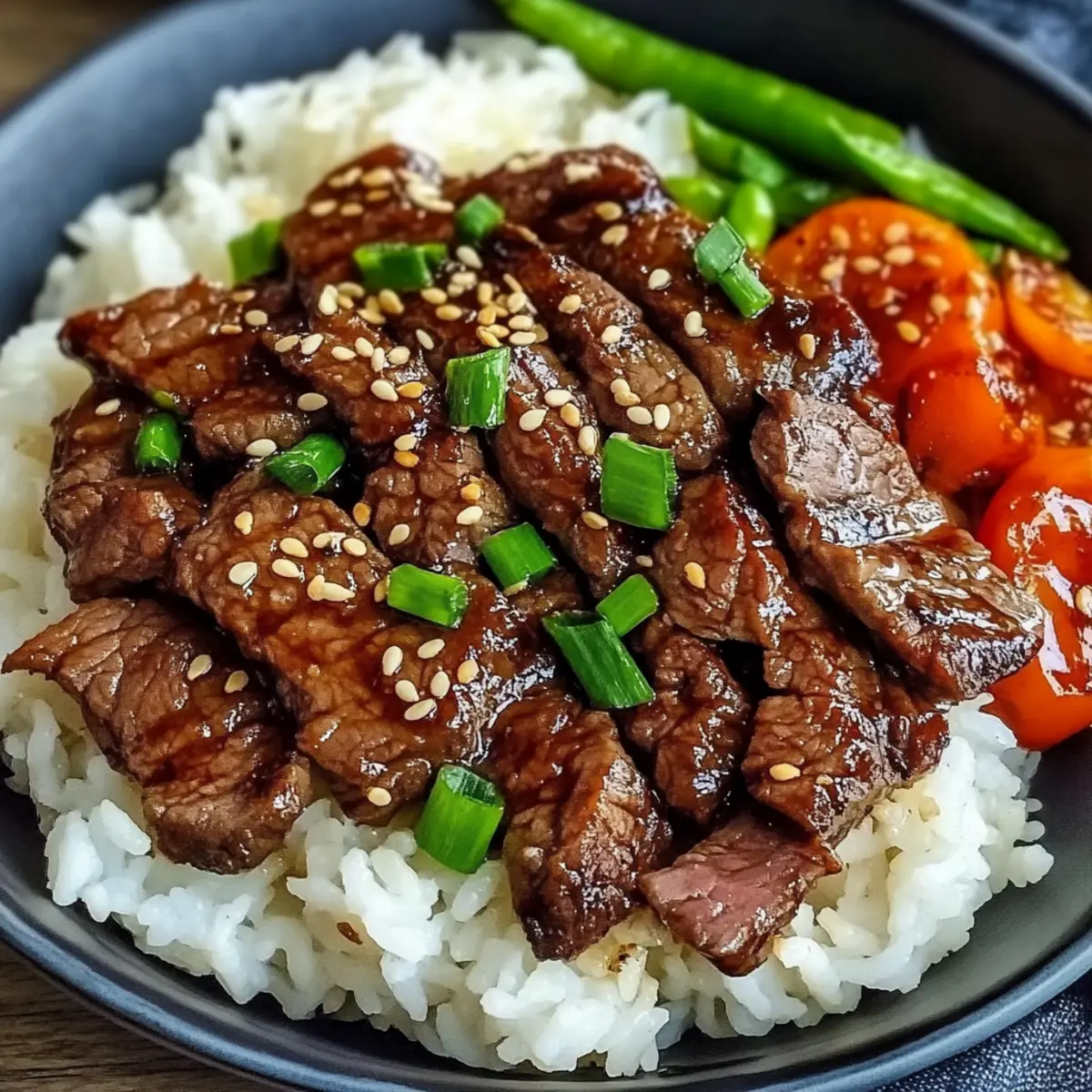
Once all the beef is cooked, sprinkle sesame seeds over the top as a delightful garnish. Serve your Beef Yakiniku hot with a side of steamed rice, and add fresh chopped cucumbers and tomatoes for a refreshing contrast. The combination of savory, tender beef with vibrant sides creates a delicious, visually appealing meal ready to impress!
Expert Tips for Beef Yakiniku
-
Slice with Precision: Use a sharp knife to slice the steak thinly against the grain. This technique ensures tenderness in every bite of your Beef Yakiniku.
-
Temperature Matters: Preheat your wok until it’s smoking hot before adding the meat. This helps achieve that delightful sear that enhances the flavors.
-
Don’t Overcrowd the Pan: Cook the steak in batches. Overcrowding leads to steaming rather than searing, preventing that crispy texture you desire.
-
Marinate for Success: For best results, marinate your beef for up to 24 hours. This allows the flavors to deeply penetrate the meat, creating a richer Beef Yakiniku experience.
-
Garnish Wisely: Always finish your dish with toasted sesame seeds. They add a lovely crunch and visual appeal that enhances your dining experience.
What to Serve with Beef Yakiniku
Elevate your dinner experience by pairing this savory dish with delightful and complementary sides that will wow your senses.
- Steamed Jasmine Rice: A classic side that absorbs the flavors of the beef perfectly, offering a fragrant fluffy base for your meal.
- Miso Soup: This warm, umami-rich soup serves as a comforting addition, balancing out the savory depth of the Yakiniku.
- Fresh Cucumber Salad: Crisp cucumbers tossed in a light vinaigrette provide a refreshing contrast to the rich flavors of the beef.
- Grilled Vegetables: Colorful bell peppers, zucchini, and mushrooms add a smoky flavor, enhancing the meal’s nutrition and visual appeal.
- Kimchi: This spicy, fermented Korean side brings tang and a probiotic punch, complementing the tenderness of the beef wonderfully.
- Sesame Spinach Salad: A simple salad with sautéed spinach dressed with sesame oil enhances the meal with its nutty flavor and vibrant color.
- Daikon Radish Pickles: Their crunch and subtle sweetness cleanse the palate, creating a refreshing counterpoint to the savory beef.
- Japadog (Japanese Hot Dog): For a whimsical touch, serve a grilled hot dog topped with teriyaki sauce and seaweed for a fusion twist on this classic.
- Sake or Green Tea: Pair your meal with a light drink like warm sake or chilled green tea to enhance the authentic Japanese dining experience.
Make Ahead Options
These Beef Yakiniku are perfect for meal prep enthusiasts! You can marinate the beef up to 24 hours in advance, allowing the flavors to deepen and the meat to become tender. Simply prepare the marinade and coat the sliced flank or skirt steak, then cover and refrigerate until you’re ready to cook. If you’re short on time, you can also pre-slice the meat and store it separately in the fridge for up to 3 days. When it’s time to serve, heat your wok and sear the marinated beef just before enjoying this savory delight. With these make-ahead tips, you’ll have restaurant-quality Beef Yakiniku on your table with minimal effort!
Beef Yakiniku Variations & Substitutions
Feel free to add your personal touch to the Beef Yakiniku recipe with these creative and delicious twists!
-
Beef Cut Options: Swap flank steak for sirloin or ribeye for varying flavors and textures. Each cut offers its own unique taste experience, yet remains tender and juicy when cooked properly.
-
Vegetable Boost: Incorporate sliced onions, bell peppers, or mushrooms in your stir-fry. Not only do they add nutrition and vibrant colors, but they also enhance the overall flavor profile of your dish.
-
Spicy Kick: For spice enthusiasts, increase the gochujang amount or add freshly sliced chilies. Just a hint of extra heat takes the savory notes to a whole new level!
-
Marinade Variations: Try using coconut aminos instead of soy sauce for a slightly sweet, gluten-free twist. The result is equally savory with a new depth of flavor.
-
Vegan Version: Substitute beef with marinated tofu or tempeh for a plant-based alternative. Just ensure you press the tofu to remove excess moisture, allowing it to absorb all that delicious marinade!
-
Fruit Infusion: Add thinly sliced pears or apples to the marinade for a fun, fruity contrast. It can balance out the savory elements and create a delightful sweet-savory harmony.
-
Fresh Herbs: Toss in fresh herbs like cilantro or green onions before serving to elevate flavors. Their freshness complements the dish beautifully, adding a burst of color and taste.
-
Bowl Style: Serve your Beef Yakiniku over a bed of quinoa or cauliflower rice for a low-carb option. This not only feels gourmet but also adds a new texture to this beloved dish.
If you’re looking for more beefy inspiration, don’t miss my Garlic Butter Beef Bites with Potatoes or dive into the savory world of Korean Ground Beef Bowls for another quick dinner idea!
How to Store and Freeze Beef Yakiniku
Fridge: Store leftover Beef Yakiniku in an airtight container for up to 3 days to keep it fresh. Ensure it’s cooled completely before sealing to prevent condensation.
Freezer: For longer storage, freeze the marinated uncooked beef in a freezer bag for up to 3 months. This allows you to have a quick meal ready anytime; just thaw overnight in the fridge before cooking.
Reheating: To reheat, gently warm the beef in a skillet over medium heat until heated through. Avoid high temperatures to prevent drying it out and retain the dish’s tender quality.
Marinade Storage: In case of extra marinade, store it in the fridge for up to 1 week. You can use it to enhance other proteins or as a dipping sauce for a flavor-packed meal with your Beef Yakiniku.
Beef Yakiniku Recipe FAQs
What type of beef should I use for Yakiniku?
Absolutely! For the best results, use flank or skirt steak, as these cuts are tender and cook quickly. Slice the meat thinly against the grain to ensure maximum tenderness and flavor. If you prefer, you could also experiment with sirloin or ribeye for a different taste experience!
How should I store leftover Beef Yakiniku?
For optimal freshness, store any leftovers in an airtight container in the fridge for up to 3 days. Make sure to let the dish cool completely before sealing it to prevent moisture buildup. Enjoy it as is or with fresh sides!
Can I freeze marinated beef for later use?
Yes, you can freeze marinated uncooked beef Yakiniku! Place the marinated beef in a freezer bag, remove excess air, and freeze for up to 3 months. When you’re ready to enjoy, simply thaw it overnight in the refrigerator before cooking. It’s a wonderful way to have a quick meal on hand!
What if I have dietary restrictions?
Very good question! If someone in your household has gluten sensitivities, substitute regular soy sauce with tamari for a gluten-free option. Additionally, check the ingredients in gochujang to ensure it meets your dietary needs. Enjoy this dish without worries by tailoring it to your requirements!
How can I make my Beef Yakiniku more flavorful?
Marinate the beef for longer, up to 24 hours, for a deeper flavor infusion! Additionally, if you want to take it up a notch, consider adding other vegetables like bell peppers, mushrooms, or even zucchini during cooking for added texture and nutrients. Experimenting with these variations could turn your Beef Yakiniku into a personal favorite!
Savory Beef Yakiniku: Quick & Delicious Japanese Flavor
Ingredients
Equipment
Method
- In a medium bowl, whisk together soy sauce, gochujang, mirin, minced ginger, garlic powder, sesame oil, neutral oil, and light brown sugar until well-combined and the sugar is dissolved.
- Thinly slice flank or skirt steak against the grain and add to the marinade, ensuring well-coated. Cover and refrigerate for at least 2 hours.
- Preheat your wok or large skillet over high heat until smoking. Warm a serving bowl in the oven.
- Add half of the marinated beef to the hot wok for 3 minutes without stirring. Then stir and cook for an additional 2-3 minutes. Transfer to the warm bowl and repeat with remaining steak.
- Sprinkle sesame seeds over cooked beef and serve hot with steamed rice and fresh chopped cucumbers and tomatoes.
Leave a Reply